Tetra Jaya Plusindo
  • Home
  • Who We Are
  • Our Business
  • Products
  • Cooperate With Us
  • Our Team
  • News
  • Contact Us
  • enEnglish
    • idBahasa Indonesia
  • Home
  • Who We Are
  • Our Business
  • Products
  • Cooperate With Us
  • Our Team
  • News
  • Contact Us
  • enEnglish
    • idBahasa Indonesia
What is ESG and Why is it Critical for Agribusiness? Toward a Global Ecosystem of Integrity
tetra2026-09-04T10:00:29+00:00

What is ESG and Why is it Critical for Agribusiness? Toward a Global Ecosystem of Integrity

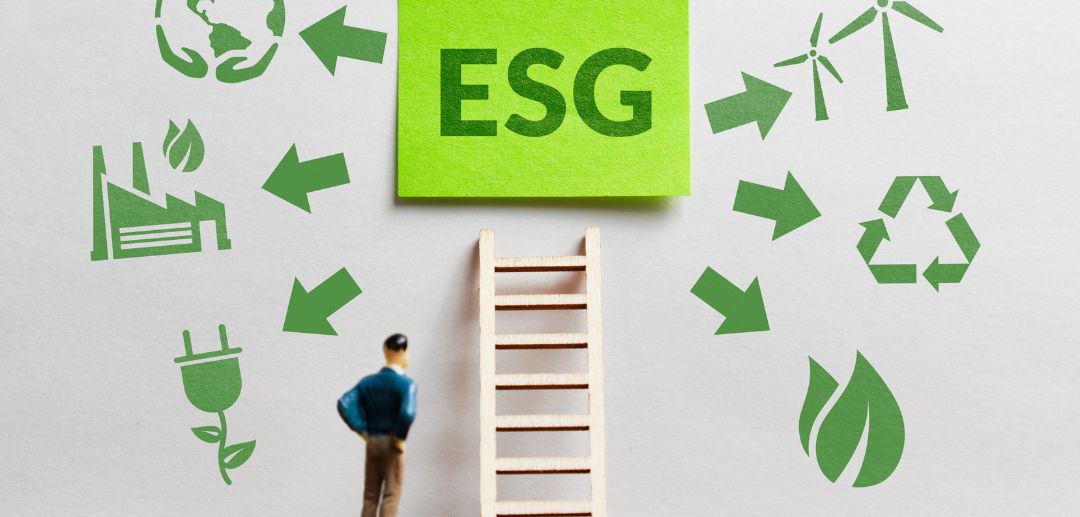
As of 2026, the landscape of the global economy has undergone a fundamental transformation. Pure financial profit is no longer the sole metric of corporate success. The world of investment is now driven by a universal standard that determines a company’s long-term value and viability: ESG.

For the agribusiness sector, ESG is far more than a trend or an administrative jargon; it is the heartbeat of food security and future economic stability. PT. Tetra Jaya Plusindo (TJP) operates at the center of this dynamic as a “strategic bridge.” Our role is to ensure that local producers—farmers and ranchers—can adopt these principles seamlessly, while providing investors with the certainty that their capital is deployed in an ethical and sustainable manner.

Understanding the Three Pillars of ESG: An Intellectual Foundation for Agribusiness

ESG stands for Environmental, Social, and Governance. In the context of the agricultural business, these three pillars are interlocked to create an ecosystem that is resilient against market shocks and climate volatility.

1. Environmental (E): Preserving the Earth’s Legacy

The environmental pillar focuses on how a business manages its impact on nature. In agriculture, this encompasses water resource management, soil health, carbon emission reduction, and the protection of biodiversity.

For producers, this means transitioning toward regenerative agricultural practices. For investors, this pillar serves as a critical risk mitigation instrument against land degradation, which can threaten long-term yields. At TJP, we promote the use of technologies that minimize chemical residues, ensuring that the land we cultivate today remains productive for generations to come.

2. Social (S): Humanizing the Supply Chain

The social pillar emphasizes a company’s relationship with the people involved in its operations. In the food industry, this is vital as it involves vast rural communities. Key issues include farmer welfare, workplace safety, gender equality, and human rights.

PT. Tetra Jaya Plusindo positions itself as a supportive “pathmaker” for producers. We ensure a fair trade system where farmers receive appropriate economic appreciation for the quality of their labor. Modern investors are deeply concerned with this aspect; they seek a guarantee that there is no exploitation behind the commodities they own.

3. Governance (G): Integrity and Transparency

Governance refers to the internal mechanisms that ensure a company operates ethically and transparently. This includes the integrity of financial reporting, accountable leadership structures, and anti-corruption policies.

For market owners, robust governance provides data certainty. At TJP, we manage the supply chain with transparent documentation, allowing every product to be traced back to its origin (traceability). This offers “intellectual peace of mind” to investors, knowing their assets are managed by a professional team with high integrity.


Why ESG is Imperative for Investors and Market Owners

For capital owners, the implementation of ESG is no longer optional; it is a necessity for maintaining asset valuation. Based on recent global market trends, there is a strong correlation between high ESG scores and low risk profiles.

The following table analyzes the impact of ESG implementation within the agricultural business ecosystem:

DimensionConventional ApproachESG-Based Approach (TJP Model)
Risk ProfileHigh (Vulnerable to environmental sanctions & social conflict)Controlled (Early mitigation through standard compliance)
Capital AccessRestricted (Many banks are phasing out non-green funding)Broad Access (Eligible for Green Bonds & ESG investment funds)
Market ReputationVulnerable to consumer boycottsEnjoys high global consumer loyalty
EfficiencyResource-heavy (Short-term focus)Optimized (Focus on long-term cost efficiency)

Visionary investors understand that agriculture that destroys the environment or oppresses producers only provides fleeting, illusory profits. Conversely, businesses that uphold ESG principles create value that grows organically and remains stable.


PT. Tetra Jaya Plusindo: Guaranteeing Quality, Empowering Producers

As a “guarantor” for investors, TJP ensures that every producer partner within our network operates within the ESG framework. However, we also recognize that for farmers and ranchers, these global terms can feel intimidating.

Therefore, our role is one of “strategic translation.” We do not merely set demands; we provide tangible support to producers through:

  • Practical Education: Guiding farmers in waste management and soil fertility preservation without high costs.
  • Access to Technology: Providing monitoring tools that simplify field data management.
  • Market Bridging: Opening doors to international markets willing to pay premium prices for products that meet ESG standards.

We believe that farmers empowered with ESG knowledge become more independent and possess stronger bargaining power. Their welfare is the key to the supply stability required by investors.


ESG as a Solution to the Global Food Crisis

In the midst of climate uncertainty, ESG offers a roadmap to strengthen the food business chain. By protecting the environment (E), we ensure the land remains fertile. By maintaining social relationships (S), we ensure the regeneration of our farming workforce. With clean governance (G), we ensure that food distribution remains efficient and free from economic leaks.

PT. Tetra Jaya Plusindo invites market owners, capital providers, and producers to synergize within this ecosystem. We are the bridge connecting the idealism of sustainability with the reality of profitability.

Investing in the Future

ESG is not merely a compliance obligation; it is a growth strategy. For PT. Tetra Jaya Plusindo, true success is achieved when investors receive a secure return, while farmers in our rural communities can smile because their land is protected and their livelihoods are secured.

Let us build a smarter, greener, and more humane future for Indonesian agriculture. Ultimately, the most profitable business is the one that benefits the earth and the people upon it. Let’s consult with us, contact PT Tetra Jaya Plusindo now!

Share this post

Facebook LinkedIn Email WhatsApp

Related Posts

Why Business Partnerships Outperform Competition: Building a Resilient Food Security Ecosystem with PT. Tetra Jaya Plusindo

Why Business Partnerships Outperform Competition: Building a Resilient Food Security Ecosystem with PT. Tetra Jaya Plusindo

Why Business Partnerships Outperform Competition: Building a Resilient Food Security Ecosystem with PT. Tetra Jaya Plusindo For centuries, the business... read more

The Foundation of Sustainability: Optimizing Land Preparation for Food Supply Chain Excellence

The Foundation of Sustainability: Optimizing Land Preparation for Food Supply Chain Excellence

The Foundation of Sustainability: Optimizing Land Preparation for Food Supply Chain Excellence In the modern agribusiness ecosystem, final product quality... read more

The Urgency of Quality Control and Standardization in Indonesian Agriculture

The Urgency of Quality Control and Standardization in Indonesian Agriculture

The Urgency of Quality Control and Standardization in Indonesian Agriculture In today’s global economic landscape, the agribusiness sector is no... read more

Building a Sustainable Ecosystem: A Comprehensive Checklist for Selecting an Honest and Professional Business Partner

Building a Sustainable Ecosystem: A Comprehensive Checklist for Selecting an Honest and Professional Business Partner

Building a Sustainable Ecosystem: A Comprehensive Checklist for Selecting an Honest and Professional Business Partner In a fast-paced global economic... read more

Establishing the Gold Standard of Food: Understanding GMP (Good Manufacturing Practice) and Its Urgency in the Agribusiness Ecosystem

Establishing the Gold Standard of Food: Understanding GMP (Good Manufacturing Practice) and Its Urgency in the Agribusiness Ecosystem

Establishing the Gold Standard of Food: Understanding GMP (Good Manufacturing Practice) and Its Urgency in the Agribusiness Ecosystem In the... read more

# **Bird’s Eye Chili: A Premier Commodity in Indonesia’s Supply Chain** In the landscape of Indonesian food commodities, a unique and recurring phenomenon has caught the serious attention of policymakers, market players, and households alike: the price dynamics of Bird’s Eye Chili. Consistently, the price of red Bird’s Eye Chili per kilogram often exceeds that of other basic staples, such as rice, sugar, or even poultry, during specific periods ### **Why Does This "Small" Commodity Command Such a High Price?** When compared head-to-head, the price of red Bird’s Eye Chili often reaches figures far above the average price of premium rice or shallots**Bird’s Eye Chili**. Several factors contribute to this high valuation: - **Significant Production Risks**: Unlike more resilient food crops, Bird’s Eye Chili is highly vulnerable to weather anomalies and pest infestations. A harvest failure in a single season can drastically slash national supply in a short time. - **Perishability**: Its short shelf life demands highly efficient logistical management. Every hour of delay in distribution results in a decline in quality and market value. - **Inelastic Demand**: In Indonesia, Bird’s Eye Chili is more than just a garnish; it is a cultural necessity. High demand, when not met with supply stability, creates extreme price volatility. ### **The Role of PT Tetra Jaya Plusindo: Bridging the Gap Between Upstream and Downstream** PT Tetra Jaya Plusindo understands that to keep Bird’s Eye Chili prices competitive for consumers while remaining profitable for farmers, a smarter and more transparent supply chain system is required As a pathfinder for producers—especially chili farmers across various regions—we are committed to ensuring their products are fairly valued and meet quality standards capable of penetrating wider markets. 1. **Standardization and Quality Control**: We assist farmers in implementing strict Quality Control protocols from planting to post-harvest. Maintaining quality ensures the produced Bird’s Eye Chili has higher competitiveness among large retailers and the food processing industry. This minimizes harvest waste caused by products failing to meet market specifications. 2. **Logistical and Supply Chain Efficiency**: PT Tetra Jaya Plusindo acts as an integrator that eliminates supply chain inefficiencies. Through shorter and more organized distribution channels, we ensure product freshness is maintained while logistical costs are reduced. ### **Investor Perspective: Ensuring "On Track" Investments** For investors and landowners, food commodities like Bird’s Eye Chili offer stable growth prospects alongside increasing population and consumption. However, investing in this sector requires an entity that understands field-level risk mitigation. We believe secure investments are those that provide a real impact on food security and producer welfare. By utilizing accurate market data and extensive networks, we help business partners make decisions based on in-depth analysis rather than mere price speculation. By making Bird’s Eye Chili a focus commodity, we aim to help society thrive together, creating efficiency while preserving natural resources for future generations. Let us build a supply chain that is not only financially profitable but also socially impactful. Whether you own idle land or wish to enter agribusiness without owning land, [consult with us today.](http://wa.me/6281517748865)

Bird’s Eye Chili: A Premier Commodity in Indonesia’s Supply Chain

Bird’s Eye Chili: A Premier Commodity in Indonesia’s Supply Chain In the landscape of Indonesian food commodities, a unique and... read more

Animal Protein Sources in Broiler Chicken: Strategic Insights into Nutritional Value and Health Benefits

Animal Protein Sources in Broiler Chicken: Strategic Insights into Nutritional Value and Health Benefits

Animal Protein Sources in Broiler Chicken: Strategic Insights into Nutritional Value and Health Benefits Animal protein derived from broiler chickens... read more

Preserving Integrity from Farm to Fork: The Essential Process of Agricultural Quality Control

Preserving Integrity from Farm to Fork: The Essential Process of Agricultural Quality Control

Preserving Integrity from Farm to Fork: The Essential Process of Agricultural Quality Control In the global market dynamics of 2026,... read more

Strategies for Building a Sustainable Business Network: A Modern Agribusiness Perspective

Strategies for Building a Sustainable Business Network: A Modern Agribusiness Perspective

Strategies for Building a Sustainable Business Network: A Modern Agribusiness Perspective In today’s global economic landscape, the paradigm of corporate... read more

Activating Unused Land Potential through Agribusiness Partnerships: A Strategic Solution to the National Land Crisis

Activating Unused Land Potential through Agribusiness Partnerships: A Strategic Solution to the National Land Crisis

Activating Unused Land Potential through Agribusiness Partnerships: A Strategic Solution to the National Land Crisis Indonesia is historically recognized as... read more

Tags

agrobusiness fruit oystermushroom plant vegetable
Facebook Youtube Instagram Linkedin Tiktok
© copyright 2022. Tetra Jaya Plusindo