Modern Agribusiness Transformation: Why the Agronomist Role is Essential in the Field
In the modern agribusiness landscape of 2026, the general public’s view of agriculture often oversimplifies all field activities under a single generic term: “farmers.” However, food science and agricultural technology have advanced so rapidly that they have given rise to precise job specializations. In a professional industry, efficiency and yield predictability no longer rely on guesswork or intuition alone, but rather on measurable scientific expertise.
TJP recognizes that the success of a sustainable agricultural ecosystem relies heavily on professional individuals who bridge science and field execution: Agronomists.
Role Differentiation in Modern Agriculture: From Field Operators to Agronomists
In the past, traditional farmers carried out multiple roles simultaneously: land cultivator, planter, pest controller, financial manager, and marketer. This singular model had scalability limitations and was highly vulnerable to crop failure risks. Modern industrial-scale agriculture distributes these responsibilities into a structured, specialized workforce:
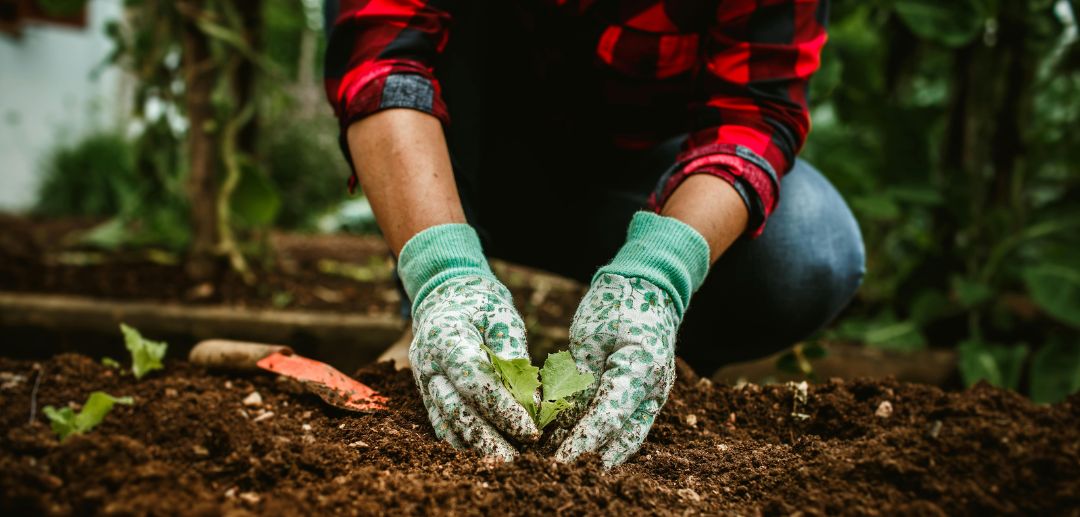
- Field Operators: Skilled personnel focusing on daily technical execution in the field, such as planting, pruning, weeding, and harvesting according to Standard Operating Procedures (SOPs).
- Greenhouse Specialists: Technicians managing mechanical and microenvironmental systems, including temperature conditioning, drip irrigation automation, humidity control, and facility sterilization.
- Agronomists: Agricultural scientists who design the biological, physical, and chemical “recipes” for crops. An agronomist analyzes soil and growing medium structures, formulates precise fertilizer blends (fertilizer formulation), forecasts potential disease threats, and devises yield optimization strategies.
Why the Agronomist Role is Essential: Science, Data, and Risk Mitigation
An agronomist functions as both a “doctor and an architect” for crops. Their approach is strictly rooted in data-driven agriculture to ensure that every square meter of land maximizes production without compromising ecosystem health.
1. Nutritional Precision and Growing Medium Health
Agronomists analyze the physical and chemical parameters of growing media, such as pH levels, Electrical Conductivity (EC), and macro-micro nutrient availability. They ensure crops receive optimal nutrition at every growth phase (from vegetative to generative) without fertilizer waste.
2. Risk Management and Integrated Pest Management (IPM)
Prior to financially damaging outbreaks, agronomists conduct early diagnoses of disease symptoms or pest infestations. They determine precise biological or mechanical interventions to minimize the use of harmful synthetic chemicals, keeping products safe for consumption.
3. Product Quality Standardization
To ensure commodities meet modern retail and export qualifications (such as Brix sweetness levels, shelf-life durability, texture, and size uniformity), agronomists establish rigorous cultivation protocols. This guarantees consistent product quality across every harvest cycle.
Comparative Analysis: Traditional Work Structure vs. Agronomist-Driven Structure
For market owners and investors, the presence of an agronomist in the field directly impacts business predictability and operational cost efficiency.
| Evaluation Parameter | Traditional Model (Solo Farmer) | Modern Agronomist-Driven Model (TJP) |
|---|---|---|
| Decision Basis | Experience / Seasonal Intuition | Laboratory Data & Scientific Modeling |
| Fertilizer Efficiency | Frequently Excessive (Wasteful) | Targeted (Precision Nutrition) |
| Yield Predictability | Volatile & High-Risk | Measurable & Consistent (Crop Failure <5%) |
| Market Compliance | Difficult to Define / Variable | Guaranteed (Passes Quality Audits & MRL Standards) |
| Environmental Impact | Vulnerable to Soil Degradation | Sustainable (Regenerative Agriculture) |
TJP’s Role: Uniting Agronomic Science, Producer Welfare, and Investor Security
PT. Tetra Jaya Plusindo positions itself at the center to ensure that agronomic expertise delivers tangible benefits to all stakeholders along the supply chain.
As an “Investment Guarantor”
For capital providers, field uncertainty represents the single greatest risk in agribusiness. TJP places experienced agronomists within every partner production cluster. This measure ensures that cultivation processes are quantitatively supervised, mitigating technical failure risks and securing target Return on Investment (ROI) according to established benchmarks.
As a “Producer Pathmaker”
TJP does not position agronomists as mere instructors handing down commands, but rather as supportive partners working alongside local farmers and ranchers. Through this collaborative process, TJP facilitates upskilling for local producers:
- Knowledge Transfer: Farmers are guided to understand the scientific reasoning behind every crop treatment, elevating their intellectual capacity.
- Operational Efficiency: Farmers save labor and operational costs through the implementation of recommended irrigation and fertilization technologies.
- Bargaining Power Enhancement: With quality standardized by agronomists, farmers’ yields can penetrate premium markets at fairer, more stable prices.
Conclusion: Synergizing Science and Field Craftsmanship
The transformation of agribusiness toward a sustainable future requires a modernized workforce structure upstream. The term “farmer” no longer refers to a singular profession bearing the entire burden of production alone, but rather an ecosystem of complementary roles. Within this ecosystem, agronomists play a central role as drivers of efficiency, quality, and innovation.
PT. Tetra Jaya Plusindo remains committed to strengthening the presence of professional agronomists across its production network. By uniting scientific expertise, the dedication of field operators, and investment certainty, TJP builds an Indonesian food supply chain that is resilient, standardized, and globally competitive. Let’s consult with us, contact PT Tetra Jaya Plusindo now!