Green Economy: A Profitable and Sustainable Future for Indonesian Agriculture
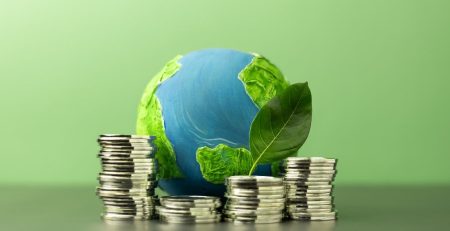
Amidst the currents of globalization and the increasingly tangible challenges of climate change in 2026, the global economic paradigm has undergone a seismic shift. We are no longer merely discussing GDP growth in isolation; we are evaluating the quality of that growth. This is the era of the green economy—an economic model aimed at improving human well-being and social equity while significantly reducing environmental risks and ecological scarcities.
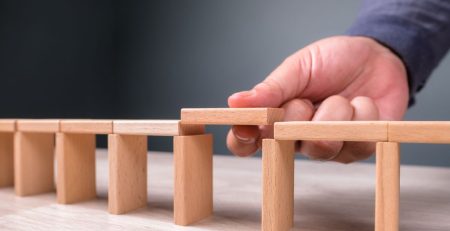
PT. Tetra Jaya Plusindo (TJP) stands as a “strategic bridge,” recognizing that Indonesia, with its vast agrarian wealth, possesses the inherent potential to lead this green movement. As a “guarantor” for investors and a “pathmaker” for producers, we believe that the transition toward a green economy is not just a moral imperative, but a highly prospective business opportunity for both farmers and capital owners.
What is a Green Economy? Deconstructing the Concept
From an intellectual standpoint, a green economy is a system that is low-carbon, resource-efficient, and socially inclusive. In the agribusiness sector, this entails a pivot from conventional practices—which are often exploitative, relying on excessive chemicals, deforestation, and water waste—toward regenerative practices.
This model is built upon three fundamental pillars:
- Resource Efficiency: Optimizing the use of water, land, and energy to produce more with less environmental impact.
- Low Carbon Emissions: Minimizing the carbon footprint across the entire supply chain, from cultivation to final distribution.
- Social Inclusivity: Ensuring that economic benefits reach the smallest producers—our farmers and ranchers—rather than being concentrated solely at the downstream level.
The Positive Impact on Indonesian Farmers: From Welfare to Land Quality
For the farmers and ranchers—the figures we rightfully call “food heroes”—the concept of a green economy can often sound like a foreign term detached from field realities. However, PT. Tetra Jaya Plusindo is committed to acting as a pathmaker to demonstrate that a green economy has a direct, positive impact on their livelihoods and their future.
1. Increased Product Quality and Market Value
Today’s global markets, particularly in the European Union, North America, and parts of Asia, exhibit a surging demand for sustainably produced goods. Food products that are free from chemical residues and carry “green” certifications command premium prices. Through TJP’s mentorship, local farmers are empowered to elevate their product quality, enabling them to penetrate broader export markets with significantly higher selling points.
2. Long-term Land Resilience
Green agricultural practices focus heavily on soil health. By reducing dependence on chemical fertilizers and transitioning to organic fertilizers and integrated pest management, soil fertility is preserved for future generations. This serves as “nature’s insurance” for farmers, ensuring their land remains productive over decades, not just for a season or two.
3. Access to a Fair Business Ecosystem
Farmers are frequently trapped in disadvantageous supply chains. In the spirit of an inclusive green economy, PT. Tetra Jaya Plusindo streamlines inefficient bureaucracies and removes exploitative intermediaries. We ensure farmers receive a fair profit margin through data transparency and supportive, long-term contracts.
The Investor’s Perspective: Why Green Agribusiness is a Secure Asset
For market owners and investors, data indicates that investments in sectors applying ESG (Environmental, Social, and Governance) principles carry a lower risk profile. A green economy is the ultimate hedge against market volatility and environmental disasters.
Consider the following comparative analysis regarding capital allocation:
| Metric | Conventional Agriculture | Green Agribusiness (TJP Model) |
|---|---|---|
| Market Resistance | Low (Vulnerable to boycotts/environmental scrutiny) | High (Aligned with global consumer trends) |
| Long-term Costs | Rising (Due to land degradation & input costs) | Efficient (Optimized resource utilization) |
| Risk Profile | High (Carbon regulations & climate volatility) | Secure (Compliance with global standards) |
| Social Impact | Limited | Broad (Enhances investor ESG scores) |
PT. Tetra Jaya Plusindo serves as the guarantor in this equation. We ensure that invested capital flows into a measurable, high-standard ecosystem. By maintaining rigorous oversight of quality standards at the producer level, we provide investors with the certainty that the marketed products possess a distinct global competitive edge.
PT. Tetra Jaya Plusindo: A Bridge to a Sustainable Ecosystem
As a strategic connector, our role is to ensure the transition toward a green economy is seamless. We understand that farmers require education and technology, while investors require certainty and data.
We undertake the following initiatives to fortify this ecosystem:
- Producer Education: Providing practical training on managing land “greenly” without compromising productivity.
- Quality Standardization: Assisting farmers in obtaining the international certifications required by the world’s most discerning markets.
- Supply Chain Transparency: Utilizing technology to track product flow from the field to the consumer’s table, ensuring the “green” label is a verified fact, not just a marketing promise.
Conclusion: Growing in Harmony with Nature
A green economy is no longer an optional luxury; it is a necessity for remaining relevant in the 2026 global market. For Indonesian farmers, this is the path toward independence and stable prosperity. For investors, it is a safe and ethical harbor for capital.
PT. Tetra Jaya Plusindo invites all stakeholders to view agriculture not as a process of land exploitation, but as a collaboration with nature. By shortening the distance between farmer and consumer, maintaining world-class quality standards, and guaranteeing transparency, we are building an Indonesian future that is greener, fairer, and undeniably more profitable.
Let us build this bridge together. Our land is our future, and the green economy is how we protect it.