Tetra Jaya Plusindo
  • Home
  • Who We Are
  • Our Business
  • Products
  • Cooperate With Us
  • Our Team
  • News
  • Contact Us
  • enEnglish
    • idBahasa Indonesia
  • Home
  • Who We Are
  • Our Business
  • Products
  • Cooperate With Us
  • Our Team
  • News
  • Contact Us
  • enEnglish
    • idBahasa Indonesia
Elevation and Competitive Advantage: Why Altitudes Determine the Success of Planting Commodities
tetra2026-05-05T17:35:12+00:00

Elevation and Competitive Advantage: Why Altitudes Determine the Success of Planting Commodities

In an increasingly competitive global supply chain, food production efficiency is no longer solely determined by land area or mechanized technology. An absolute natural factor dictates the quality and sustainability of an agribusiness ecosystem: elevation above sea level (MASL)elevation above sea level (MASL). PT Tetra Jaya Plusindo views MASL as a key variable in investment risk management and quality assurance for end consumers.

The Science Behind Elevation

Fundamentally, every 100-meter increase in elevation results in an average temperature drop of 0,6 Celcius degree. For plants, temperature is a catalyst for photosynthesis and respiration. Every planting commodity has an optimal “sweet spot” temperature planting commodity. Forcing a crop designed for highlands into a coastal environment leads to physiological stress, reduced immunity to pests, and total harvest failure. Ensuring the right elevation for the right crop is our first step as an investment guarantor.

Junghuhn Zoning: A Strategic Selection Guide

We use Junghuhn’s climate classification as an intellectual reference for mapping supply potential:

  1. **Hot Zone (0 – 600 MASL)**Hot Zone (0 – 600 MASL): Home to planting commodities requiring high sunlight, such as rice, corn, sugarcane, coconut, and rubber planting commodities. Efficiency in cost per kilogram is vital here due to thin margins and massive global demand.
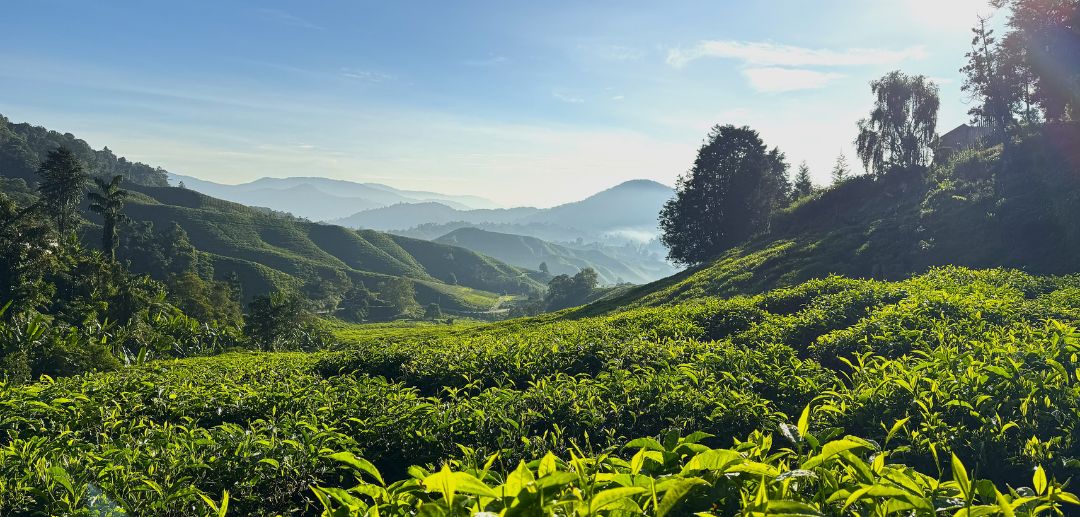
  2. **Moderate Zone (600 – 1,500 MASL)**Moderate Zone (600 – 1,500 MASL): Ideal for industrial crops like Robusta coffee, cocoa, tea, and tobacco. Here, quality begins to outweigh quantity, and distinct flavor profiles begin to take shape.
  3. **Cool Zone (1,500 – 2,500 MASL)**Cool Zone (1,500 – 2,500 MASL): The domain of high-value crops like premium Arabica coffee, export-quality tea, and highland vegetables. Consumers are willing to pay premium prices for these products due to concentrated nutrients and exclusive growth conditions.
  4. **Cold Zone (> 2,500 MASL)**Cold Zone (> 2,500 MASL): Generally unsuitable for commercial farming but vital for conservation and water resource protection.

Why Elevation Matters to Investors and Producers

We use MASL data to ensure supply-demand accuracy. For instance, if a market requires coffee with bright acidity, we partner with producers above 1,200 MASL; planting Arabica at 400 MASL results in hollow flavor and pest vulnerability. Mismatched planting locations can result in operational inefficiencies of up to 30%30%.

We provide the guidance necessary for producers in lowlands to maximize efficiency and for highland producers to perfect high-value niche products. Furthermore, optimizing planting commodities according to MASL on designated agricultural land is an act of conservation planting commodities. It reduces chemical input requirements and allows crops to grow in harmony with nature. Let us synchronize geographic data with global market needs to ensure Indonesian products are world-class. Let’s consult with us, contact PT Tetra Jaya Plusindo now!


Share this post

Facebook LinkedIn Email WhatsApp

Related Posts

The Foundation of Sustainability: Optimizing Land Preparation for Food Supply Chain Excellence

The Foundation of Sustainability: Optimizing Land Preparation for Food Supply Chain Excellence

The Foundation of Sustainability: Optimizing Land Preparation for Food Supply Chain Excellence In the modern agribusiness ecosystem, final product quality... read more

# **Bird’s Eye Chili: A Premier Commodity in Indonesia’s Supply Chain** In the landscape of Indonesian food commodities, a unique and recurring phenomenon has caught the serious attention of policymakers, market players, and households alike: the price dynamics of Bird’s Eye Chili. Consistently, the price of red Bird’s Eye Chili per kilogram often exceeds that of other basic staples, such as rice, sugar, or even poultry, during specific periods ### **Why Does This "Small" Commodity Command Such a High Price?** When compared head-to-head, the price of red Bird’s Eye Chili often reaches figures far above the average price of premium rice or shallots**Bird’s Eye Chili**. Several factors contribute to this high valuation: - **Significant Production Risks**: Unlike more resilient food crops, Bird’s Eye Chili is highly vulnerable to weather anomalies and pest infestations. A harvest failure in a single season can drastically slash national supply in a short time. - **Perishability**: Its short shelf life demands highly efficient logistical management. Every hour of delay in distribution results in a decline in quality and market value. - **Inelastic Demand**: In Indonesia, Bird’s Eye Chili is more than just a garnish; it is a cultural necessity. High demand, when not met with supply stability, creates extreme price volatility. ### **The Role of PT Tetra Jaya Plusindo: Bridging the Gap Between Upstream and Downstream** PT Tetra Jaya Plusindo understands that to keep Bird’s Eye Chili prices competitive for consumers while remaining profitable for farmers, a smarter and more transparent supply chain system is required As a pathfinder for producers—especially chili farmers across various regions—we are committed to ensuring their products are fairly valued and meet quality standards capable of penetrating wider markets. 1. **Standardization and Quality Control**: We assist farmers in implementing strict Quality Control protocols from planting to post-harvest. Maintaining quality ensures the produced Bird’s Eye Chili has higher competitiveness among large retailers and the food processing industry. This minimizes harvest waste caused by products failing to meet market specifications. 2. **Logistical and Supply Chain Efficiency**: PT Tetra Jaya Plusindo acts as an integrator that eliminates supply chain inefficiencies. Through shorter and more organized distribution channels, we ensure product freshness is maintained while logistical costs are reduced. ### **Investor Perspective: Ensuring "On Track" Investments** For investors and landowners, food commodities like Bird’s Eye Chili offer stable growth prospects alongside increasing population and consumption. However, investing in this sector requires an entity that understands field-level risk mitigation. We believe secure investments are those that provide a real impact on food security and producer welfare. By utilizing accurate market data and extensive networks, we help business partners make decisions based on in-depth analysis rather than mere price speculation. By making Bird’s Eye Chili a focus commodity, we aim to help society thrive together, creating efficiency while preserving natural resources for future generations. Let us build a supply chain that is not only financially profitable but also socially impactful. Whether you own idle land or wish to enter agribusiness without owning land, [consult with us today.](http://wa.me/6281517748865)

Bird’s Eye Chili: A Premier Commodity in Indonesia’s Supply Chain

Bird’s Eye Chili: A Premier Commodity in Indonesia’s Supply Chain In the landscape of Indonesian food commodities, a unique and... read more

10 Promising Agribusiness Opportunities Amid the Pandemic

10 Promising Agribusiness Opportunities Amid the Pandemic Have you ever considered venturing into the world of agribusiness? Given the current... read more

Animal Protein Sources in Broiler Chicken: Strategic Insights into Nutritional Value and Health Benefits

Animal Protein Sources in Broiler Chicken: Strategic Insights into Nutritional Value and Health Benefits

Animal Protein Sources in Broiler Chicken: Strategic Insights into Nutritional Value and Health Benefits Animal protein derived from broiler chickens... read more

Strategic Analysis: The Vitality of Daily Fruit and Vegetable Consumption in Global Health and Markets

Strategic Analysis: The Vitality of Daily Fruit and Vegetable Consumption in Global Health and Markets The consumption of fruits and... read more

Tags

agrobusiness fruit oystermushroom plant vegetable
Facebook Youtube Instagram Linkedin Tiktok
© copyright 2022. Tetra Jaya Plusindo