Tetra Jaya Plusindo
  • Home
  • Who We Are
  • Our Business
  • Products
  • Cooperate With Us
  • Our Team
  • News
  • Contact Us
  • enEnglish
    • idBahasa Indonesia
  • Home
  • Who We Are
  • Our Business
  • Products
  • Cooperate With Us
  • Our Team
  • News
  • Contact Us
  • enEnglish
    • idBahasa Indonesia
Panduan Strategis Memahami Label dan Standar Mutu Produk Pertanian
tetra2026-06-03T08:26:11+00:00

A Strategic Guide to Understanding Labels and Quality Standards in Agriculture

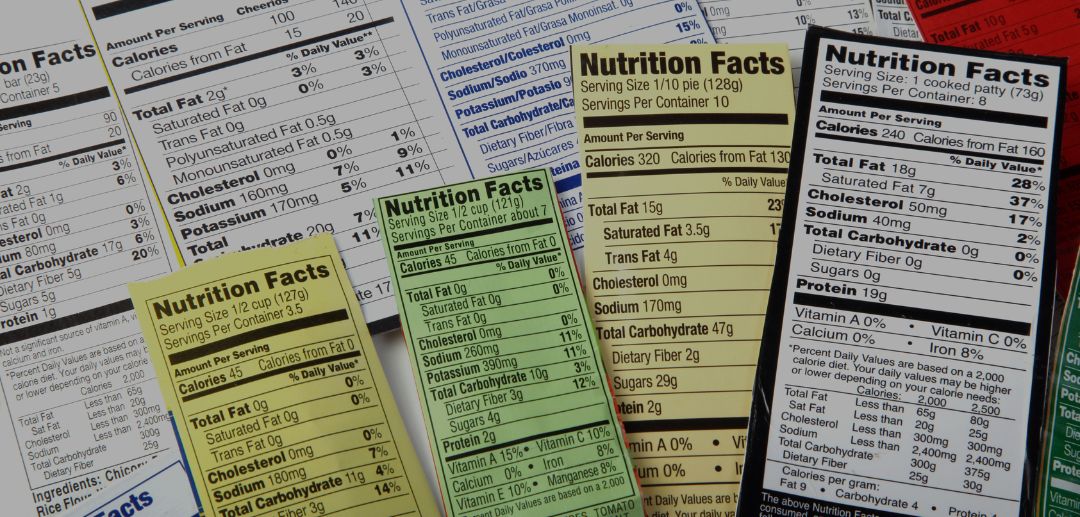
In an increasingly integrated global trade ecosystem, agricultural products are no longer judged solely by their volume or physical appearance. Today, “quality” has transformed into a universal currency that dictates market access, valuation, and business sustainability. However, for many parties—from retail buyers to large-scale investors—deciphering labels and quality standards can often feel like cracking a complex code.

PT. Tetra Jaya Plusindo (TJP) serves as a “strategic bridge,” committed to simplifying this complexity. As a “guarantor” for investors and a “pathmaker” for producers (farmers and ranchers), we believe that literacy in quality standards is the primary key to empowering Indonesian products to compete on the world stage without losing their integrity.


Why Quality Standards Are Your Product’s “Passport”

From an intellectual standpoint, a quality label is far more than just a sticker on a package. It is the crystallization of a promise: a guarantee of safety, consistency, and ethical production. In the international market, the inability to demonstrate valid quality standards acts as a definitive non-tariff barrier.

For market owners and investors, quality standards function as a primary risk mitigation instrument. Standardized products minimize the risk of product rejection, costly recalls, and potential legal liabilities regarding food safety. This is exactly why PT. Tetra Jaya Plusindo places extraordinary emphasis on providing standardization mentorship for our upstream producer partners.


Decoding the “Language” of Quality: From SNI to International Grades

To avoid errors in selection or capital allocation, one must understand the hierarchy and types of standards governing the Indonesian and global agricultural industries.

1. SNI (Indonesian National Standard)

SNI is the standard established by the National Standardization Agency (BSN) and is the definitive benchmark in Indonesia. For agricultural products, SNI regulates physical parameters (size, color, shape), chemical parameters (moisture content, pesticide residues), and microbiology.

  • How to Read It: Pay attention to the code number beneath the SNI logo. This code refers to the specific technical specifications of the commodity (e.g., SNI for rice, coffee, or beef). The presence of the SNI logo indicates that the product has passed rigorous laboratory testing.

2. The Grading System (A, B, C)

Grading is the process of categorizing products based on physical and intrinsic quality.

  • Grade A (Premium): Products with near-perfect appearance, uniform size, and maximum freshness. These are typically earmarked for export markets or high-end retail.
  • Grade B (Standard): Good quality products with minor visual deviations that remain safe and highly nutritious. Ideal for the industrial market or general consumption.
  • Grade C: Usually allocated for industrial processing where physical appearance is not the primary priority.

3. Safety and Ethical Labels (HACCP, GlobalGAP, Organic)

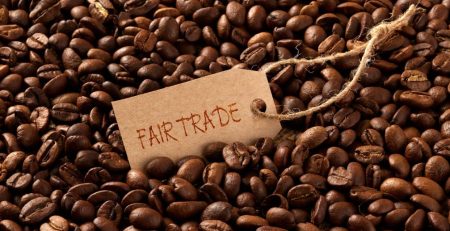
For visionary investors, labels such as HACCP (Hazard Analysis and Critical Control Point) or GlobalGAP (Good Agricultural Practices) are indicators of a producer’s superior risk management. An Organic label from an official authority (such as Organik Indonesia) guarantees that the product is free from synthetic chemicals, automatically elevating its market value in premium segments.


Data Analysis: The Impact of Quality Standards on Profitability

For market owners, numbers are the most honest language. Let us examine how the application of quality standards affects business performance in the following table:

Business MetricProducts Without Clear StandardsStandardized Products (TJP Ecosystem)
Average Selling PriceCommodity base price (low)Premium pricing (15-40% higher margins)
Market Rejection Rate10% – 25% (due to inconsistency)< 2% (measurable and guaranteed)
Investor ConfidenceLow (viewed as speculative)High (measurable and secured assets)
Market AccessRestricted to traditional marketsOpen to modern retail & global exports

The data demonstrates that investing in quality assurance systems is not an “operating cost” but a strategic investment that yields a far more stable return.


PT. Tetra Jaya Plusindo: Guaranteeing Quality from Upstream to Downstream

As a “guarantor” for investors, PT. Tetra Jaya Plusindo’s role extends far beyond mere trade. We conduct direct supervision at the producer level to ensure that every label attached to our products is a true reflection of field reality.

For Producers (Farmers and Ranchers):

We recognize that the process of obtaining certification often feels heavy and bureaucratic for small-scale producers. TJP acts as the pathmaker. We provide practical education on how to achieve the quality standards demanded by the market without drastically inflating operational costs. We help you “level up”—transitioning from being a local farmer to becoming a reliable global business partner.

For Investors and Market Owners:

We ensure that every unit of capital you deploy within our ecosystem is backed by products with a clear “quality identity.” You are not buying uncertainty; you are buying commodities that have undergone a rigorous curation process by TJP’s team of experts.


Practical Tips: How to Read Labels Wisely

To avoid being misled by marketing claims, here is a quick guide for buyers and business partners:

  1. Verify Logo Validity: Ensure that certification logos (such as SNI or Halal) have traceable registration numbers.
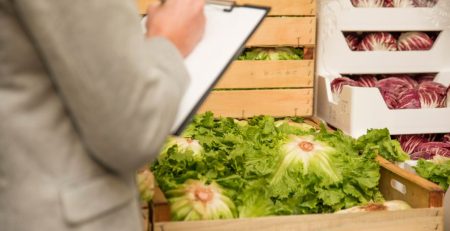
  2. Check Expiration & Production Codes: In agriculture, traceability begins with the production code. This code allows us to trace a product back to the specific field where it was harvested.
  3. Align Grade with Price: Be wary of prices that seem too good to be true for Grade A. If the price is significantly below market average, there is likely a compromise in food safety or sustainability standards.
  4. Third-Party Verification: Credible quality standards always involve independent third-party audits. PT. Tetra Jaya Plusindo consistently collaborates with trusted certification bodies to maintain objectivity.

Conclusion: Building a Food Future with Integrity

Quality standards are the bridge connecting the hard work of rural farmers with the high expectations of buyers in the world’s major cities. At PT. Tetra Jaya Plusindo, we view these standards not as a burden, but as a tool for empowerment.

By consistently understanding and applying quality standards, we are doing more than just selling food; we are selling health, trust, and a more prosperous future for Indonesia. We invite investors and producers to walk with us across this bridge of quality. Ultimately, the most profitable business is the one that dares to guarantee its quality.

Share this post

Facebook LinkedIn Email WhatsApp

Related Posts

What is the Agricultural Supply Chain and Why Does it Matter? Decoding the Architecture of Food Security with PT. Tetra Jaya Plusindo

What is the Agricultural Supply Chain and Why Does it Matter? Decoding the Architecture of Food Security with PT. Tetra Jaya Plusindo

What is the Agricultural Supply Chain and Why Does it Matter? Decoding the Architecture of Food Security with PT.... read more

Establishing the Gold Standard of Food: Understanding GMP (Good Manufacturing Practice) and Its Urgency in the Agribusiness Ecosystem

Establishing the Gold Standard of Food: Understanding GMP (Good Manufacturing Practice) and Its Urgency in the Agribusiness Ecosystem

Establishing the Gold Standard of Food: Understanding GMP (Good Manufacturing Practice) and Its Urgency in the Agribusiness Ecosystem In the... read more

Sustainable Agricultural Business: Harmonizing Nature and Profitability with PT. Tetra Jaya Plusindo

Sustainable Agricultural Business: Harmonizing Nature and Profitability with PT. Tetra Jaya Plusindo

Sustainable Agricultural Business: Harmonizing Nature and Profitability with PT. Tetra Jaya Plusindo Amidst a shifting global economic paradigm, the world... read more

Strategies for Building a Sustainable Business Network: A Modern Agribusiness Perspective

Strategies for Building a Sustainable Business Network: A Modern Agribusiness Perspective

Strategies for Building a Sustainable Business Network: A Modern Agribusiness Perspective In today’s global economic landscape, the paradigm of corporate... read more

Animal Protein Sources in Broiler Chicken: Strategic Insights into Nutritional Value and Health Benefits

Animal Protein Sources in Broiler Chicken: Strategic Insights into Nutritional Value and Health Benefits

Animal Protein Sources in Broiler Chicken: Strategic Insights into Nutritional Value and Health Benefits Animal protein derived from broiler chickens... read more

The Foundation of Sustainability: Optimizing Land Preparation for Food Supply Chain Excellence

The Foundation of Sustainability: Optimizing Land Preparation for Food Supply Chain Excellence

The Foundation of Sustainability: Optimizing Land Preparation for Food Supply Chain Excellence In the modern agribusiness ecosystem, final product quality... read more

# **Bird’s Eye Chili: A Premier Commodity in Indonesia’s Supply Chain** In the landscape of Indonesian food commodities, a unique and recurring phenomenon has caught the serious attention of policymakers, market players, and households alike: the price dynamics of Bird’s Eye Chili. Consistently, the price of red Bird’s Eye Chili per kilogram often exceeds that of other basic staples, such as rice, sugar, or even poultry, during specific periods ### **Why Does This "Small" Commodity Command Such a High Price?** When compared head-to-head, the price of red Bird’s Eye Chili often reaches figures far above the average price of premium rice or shallots**Bird’s Eye Chili**. Several factors contribute to this high valuation: - **Significant Production Risks**: Unlike more resilient food crops, Bird’s Eye Chili is highly vulnerable to weather anomalies and pest infestations. A harvest failure in a single season can drastically slash national supply in a short time. - **Perishability**: Its short shelf life demands highly efficient logistical management. Every hour of delay in distribution results in a decline in quality and market value. - **Inelastic Demand**: In Indonesia, Bird’s Eye Chili is more than just a garnish; it is a cultural necessity. High demand, when not met with supply stability, creates extreme price volatility. ### **The Role of PT Tetra Jaya Plusindo: Bridging the Gap Between Upstream and Downstream** PT Tetra Jaya Plusindo understands that to keep Bird’s Eye Chili prices competitive for consumers while remaining profitable for farmers, a smarter and more transparent supply chain system is required As a pathfinder for producers—especially chili farmers across various regions—we are committed to ensuring their products are fairly valued and meet quality standards capable of penetrating wider markets. 1. **Standardization and Quality Control**: We assist farmers in implementing strict Quality Control protocols from planting to post-harvest. Maintaining quality ensures the produced Bird’s Eye Chili has higher competitiveness among large retailers and the food processing industry. This minimizes harvest waste caused by products failing to meet market specifications. 2. **Logistical and Supply Chain Efficiency**: PT Tetra Jaya Plusindo acts as an integrator that eliminates supply chain inefficiencies. Through shorter and more organized distribution channels, we ensure product freshness is maintained while logistical costs are reduced. ### **Investor Perspective: Ensuring "On Track" Investments** For investors and landowners, food commodities like Bird’s Eye Chili offer stable growth prospects alongside increasing population and consumption. However, investing in this sector requires an entity that understands field-level risk mitigation. We believe secure investments are those that provide a real impact on food security and producer welfare. By utilizing accurate market data and extensive networks, we help business partners make decisions based on in-depth analysis rather than mere price speculation. By making Bird’s Eye Chili a focus commodity, we aim to help society thrive together, creating efficiency while preserving natural resources for future generations. Let us build a supply chain that is not only financially profitable but also socially impactful. Whether you own idle land or wish to enter agribusiness without owning land, [consult with us today.](http://wa.me/6281517748865)

Bird’s Eye Chili: A Premier Commodity in Indonesia’s Supply Chain

Bird’s Eye Chili: A Premier Commodity in Indonesia’s Supply Chain In the landscape of Indonesian food commodities, a unique and... read more

Essential 2026 Indonesian Agribusiness Trends: Navigating Green and Digital Ecosystems with PT. Tetra Jaya Plusindo

Essential 2026 Indonesian Agribusiness Trends: Navigating Green and Digital Ecosystems with PT. Tetra Jaya Plusindo

Essential 2026 Indonesian Agribusiness Trends: Navigating Green and Digital Ecosystems with PT. Tetra Jaya Plusindo The year 2026, the face... read more

What is Business Bridging and Why is it Crucial for MSMEs? Transforming Supply Chains with PT. Tetra Jaya Plusindo

What is Business Bridging and Why is it Crucial for MSMEs? Transforming Supply Chains with PT. Tetra Jaya Plusindo

What is Business Bridging and Why is it Crucial for MSMEs? Transforming Supply Chains with PT. Tetra Jaya Plusindo In... read more

Agripreneurship: Transforming the Face of Indonesian Agriculture into Global Innovative Business Opportunities

Agripreneurship: Transforming the Face of Indonesian Agriculture into Global Innovative Business Opportunities

Agripreneurship: Transforming the Face of Indonesian Agriculture into Global Innovative Business Opportunities For decades, the agricultural sector in Indonesia has... read more

Tags

agrobusiness fruit oystermushroom plant vegetable
Facebook Youtube Instagram Linkedin Tiktok
© copyright 2022. Tetra Jaya Plusindo