Tetra Jaya Plusindo
  • Home
  • Who We Are
  • Our Business
  • Products
  • Cooperate With Us
  • Our Team
  • News
  • Contact Us
  • enEnglish
    • idBahasa Indonesia
  • Home
  • Who We Are
  • Our Business
  • Products
  • Cooperate With Us
  • Our Team
  • News
  • Contact Us
  • enEnglish
    • idBahasa Indonesia
Preserving Integrity from Farm to Fork: The Essential Process of Agricultural Quality Control
tetra2026-05-23T02:59:37+00:00

Preserving Integrity from Farm to Fork: The Essential Process of Agricultural Quality Control

In the global market dynamics of 2026, quality is no longer a variable to be compromised; it has become the primary currency. For stakeholders in the food industry, the ultimate challenge is no longer just producing in high volumes, but ensuring that every unit leaving the field meets a consistent and safe standard for consumption. This is where the vital role of agricultural quality control (QC) serves as the true differentiator between a mere commodity and a high-value product.

PT. Tetra Jaya Plusindo (TJP) operates as a “strategic bridge,” connecting the dedication of local producers with the high expectations of the international market. As a “guarantor” for investors and a “pathmaker” for farmers and ranchers, we believe that a rigorous QC system is the only path toward elevating the bargaining power of Indonesian agribusiness on the world stage.


Why Agricultural Quality Control is an Investment, Not a Burden

Intellectually, we must view QC as a sophisticated risk mitigation instrument. For investors, uncertainty is the ultimate enemy. By implementing standardized agricultural quality control, risks such as financial loss due to product rejection, contamination, and reputational damage can be significantly minimized.

Data indicates that supply chain efficiency can increase by up to 25% when QC protocols are implemented from the very beginning. This is because detecting errors at the source (in the field) is far more cost-effective than addressing them once the product has reached the distribution warehouse or the consumer’s hands.


The Correct Stages of the Quality Control Process

A comprehensive QC process does not begin at harvest; it starts with the selection of raw materials. Below is an overview of the inspection stages conducted within the PT. Tetra Jaya Plusindo ecosystem:

1. Raw Material Receiving Inspection (Upstream)

The integrity of the final product is heavily dependent on the inputs used. At this stage, inspection focuses on:

  • Seeds and Seedlings: Ensuring the use of high-yield varieties that are disease-free and officially certified.
  • Agricultural Inputs: Verifying fertilizers and pesticides to ensure they contain no prohibited chemicals and stay within Maximum Residue Limits (MRL).
  • Soil and Water Quality: Conducting periodic laboratory tests to ensure the land is free from heavy metal contamination.

TJP serves as a “pathmaker” by providing educational access for farmers regarding input selection that meets global standards, ensuring they take the right steps from the start.

2. In-Process Quality Control (Midstream)

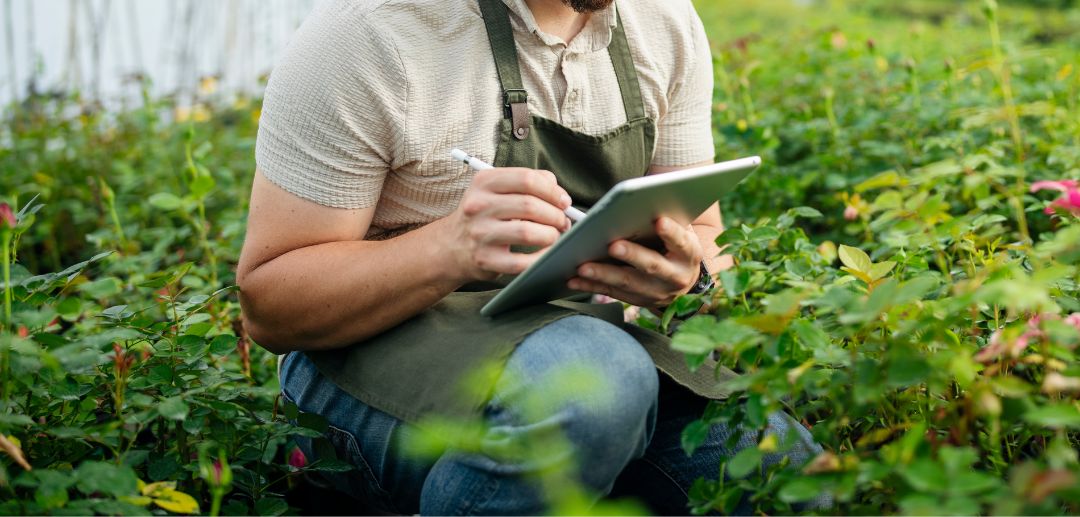
This stage is conducted during the growth phase or the production process (for processed goods). The objective is to ensure that all Standard Operating Procedures (SOPs) are executed with discipline.

  • Hygiene Monitoring: Particularly for livestock and horticultural products, the cleanliness of the work environment and equipment is crucial to preventing cross-contamination.
  • Pest and Disease Management: Routine inspections are conducted to detect issues early without over-relying on chemical pesticides.
  • Traceability Documentation: Recording every action taken in the field. This documentation serves as the product’s “identity,” which is highly valued by modern retailers.

3. Finished Product Inspection and Testing (Downstream)

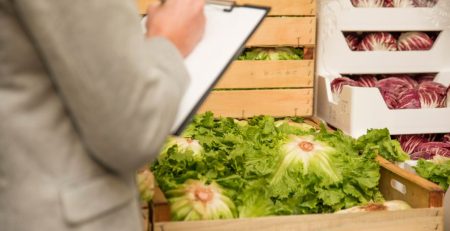
Before products are packaged and shipped, a final inspection is conducted to ensure consumer satisfaction.

  • Physical Parameters: Including grading (size), color, texture, and uniform weight according to order specifications.
  • Organoleptic Testing: Assessment based on taste, aroma, and external appearance.
  • Food Safety Testing: Screening for microbes (such as Salmonella or E. coli) and final chemical residues.
  • Packaging Quality: Ensuring the packaging protects the product during transit and features accurate labeling (including expiration dates and traceability codes).

Analysis for Investors: QC as an ROI Guarantor

For market owners and investors, the data below illustrates the economic efficiency comparison between operations without adequate QC versus systems managed alongside PT. Tetra Jaya Plusindo:

Evaluation MetricWithout Standardized QCTJP Guaranteed Ecosystem
Product Rejection Rate10% – 15%< 2%
Market Selling ValueBase Commodity PricePremium Price (High Value)
Buyer TrustSpeculativeLong-term Loyalty
Legal/Safety RiskHigh (Food Safety Concerns)Minimal (Controlled)
Logistics EfficiencyLow (Frequent Returns)High (Precision Delivery)

Through this data, it is clear that the agricultural quality control system implemented by TJP is not merely a technical procedure, but a financial strategy to secure the Return on Investment (ROI) for all stakeholders.


The Role of PT. Tetra Jaya Plusindo: Supportive of Producers, Trusted by Investors

We recognize that for small-scale producers—our food heroes—meeting complex QC standards can be both a moral and financial challenge. This is where TJP executes its function as a supportive partner.

  • Support for Producers: We do not just demand quality; we walk you through the process. TJP provides field experts to help farmers and ranchers understand SOPs, provides simple testing tools, and assists in obtaining necessary certifications. We believe that empowered farmers are the key to preserved quality.
  • Certainty for Investors: We act as the final filter. Investors need not worry, as every product distributed through the TJP network has passed multi-layered QC protocols. We guarantee that the capital you deploy results in products that are truly market-ready.

Conclusion: Building a Culture of Quality

Agricultural quality control is the bridge that connects fertile soil to a healthy dinner table. It is the universal language understood by the global market. By applying the correct QC measures—from raw material inspection to the finished product—we are building a dignified reputation for Indonesian agribusiness.

PT. Tetra Jaya Plusindo invites capital owners to invest in an ecosystem that is transparent and of the highest quality. To our fellow producers, let us leave behind obsolete mindsets and move toward measurable, modern agriculture. Together with TJP, let us prove that quality is a commitment, and integrity is the key to shared prosperity.

Let us build a food future that is safer, better, and rooted in integrity.


PT. Tetra Jaya Plusindo Strategic Bridge – Investment Guarantor – Producer Pathmaker
Share this post

Facebook LinkedIn Email WhatsApp

Related Posts

Establishing the Gold Standard of Food: Understanding GMP (Good Manufacturing Practice) and Its Urgency in the Agribusiness Ecosystem

Establishing the Gold Standard of Food: Understanding GMP (Good Manufacturing Practice) and Its Urgency in the Agribusiness Ecosystem

Establishing the Gold Standard of Food: Understanding GMP (Good Manufacturing Practice) and Its Urgency in the Agribusiness Ecosystem In the... read more

The Foundation of Sustainability: Optimizing Land Preparation for Food Supply Chain Excellence

The Foundation of Sustainability: Optimizing Land Preparation for Food Supply Chain Excellence

The Foundation of Sustainability: Optimizing Land Preparation for Food Supply Chain Excellence In the modern agribusiness ecosystem, final product quality... read more

Strategies for Building a Sustainable Business Network: A Modern Agribusiness Perspective

Strategies for Building a Sustainable Business Network: A Modern Agribusiness Perspective

Strategies for Building a Sustainable Business Network: A Modern Agribusiness Perspective In today’s global economic landscape, the paradigm of corporate... read more

10 Promising Agribusiness Opportunities Amid the Pandemic

10 Promising Agribusiness Opportunities Amid the Pandemic Have you ever considered venturing into the world of agribusiness? Given the current... read more

Strategic Analysis: The Vitality of Daily Fruit and Vegetable Consumption in Global Health and Markets

Strategic Analysis: The Vitality of Daily Fruit and Vegetable Consumption in Global Health and Markets The consumption of fruits and... read more

Activating Unused Land Potential through Agribusiness Partnerships: A Strategic Solution to the National Land Crisis

Activating Unused Land Potential through Agribusiness Partnerships: A Strategic Solution to the National Land Crisis

Activating Unused Land Potential through Agribusiness Partnerships: A Strategic Solution to the National Land Crisis Indonesia is historically recognized as... read more

# **Bird’s Eye Chili: A Premier Commodity in Indonesia’s Supply Chain** In the landscape of Indonesian food commodities, a unique and recurring phenomenon has caught the serious attention of policymakers, market players, and households alike: the price dynamics of Bird’s Eye Chili. Consistently, the price of red Bird’s Eye Chili per kilogram often exceeds that of other basic staples, such as rice, sugar, or even poultry, during specific periods ### **Why Does This "Small" Commodity Command Such a High Price?** When compared head-to-head, the price of red Bird’s Eye Chili often reaches figures far above the average price of premium rice or shallots**Bird’s Eye Chili**. Several factors contribute to this high valuation: - **Significant Production Risks**: Unlike more resilient food crops, Bird’s Eye Chili is highly vulnerable to weather anomalies and pest infestations. A harvest failure in a single season can drastically slash national supply in a short time. - **Perishability**: Its short shelf life demands highly efficient logistical management. Every hour of delay in distribution results in a decline in quality and market value. - **Inelastic Demand**: In Indonesia, Bird’s Eye Chili is more than just a garnish; it is a cultural necessity. High demand, when not met with supply stability, creates extreme price volatility. ### **The Role of PT Tetra Jaya Plusindo: Bridging the Gap Between Upstream and Downstream** PT Tetra Jaya Plusindo understands that to keep Bird’s Eye Chili prices competitive for consumers while remaining profitable for farmers, a smarter and more transparent supply chain system is required As a pathfinder for producers—especially chili farmers across various regions—we are committed to ensuring their products are fairly valued and meet quality standards capable of penetrating wider markets. 1. **Standardization and Quality Control**: We assist farmers in implementing strict Quality Control protocols from planting to post-harvest. Maintaining quality ensures the produced Bird’s Eye Chili has higher competitiveness among large retailers and the food processing industry. This minimizes harvest waste caused by products failing to meet market specifications. 2. **Logistical and Supply Chain Efficiency**: PT Tetra Jaya Plusindo acts as an integrator that eliminates supply chain inefficiencies. Through shorter and more organized distribution channels, we ensure product freshness is maintained while logistical costs are reduced. ### **Investor Perspective: Ensuring "On Track" Investments** For investors and landowners, food commodities like Bird’s Eye Chili offer stable growth prospects alongside increasing population and consumption. However, investing in this sector requires an entity that understands field-level risk mitigation. We believe secure investments are those that provide a real impact on food security and producer welfare. By utilizing accurate market data and extensive networks, we help business partners make decisions based on in-depth analysis rather than mere price speculation. By making Bird’s Eye Chili a focus commodity, we aim to help society thrive together, creating efficiency while preserving natural resources for future generations. Let us build a supply chain that is not only financially profitable but also socially impactful. Whether you own idle land or wish to enter agribusiness without owning land, [consult with us today.](http://wa.me/6281517748865)

Bird’s Eye Chili: A Premier Commodity in Indonesia’s Supply Chain

Bird’s Eye Chili: A Premier Commodity in Indonesia’s Supply Chain In the landscape of Indonesian food commodities, a unique and... read more

Elevation and Competitive Advantage: Why Altitudes Determine the Success of Planting Commodities

Elevation and Competitive Advantage: Why Altitudes Determine the Success of Planting Commodities

Elevation and Competitive Advantage: Why Altitudes Determine the Success of Planting Commodities In an increasingly competitive global supply chain, food... read more

What is Business Bridging and Why is it Crucial for MSMEs? Transforming Supply Chains with PT. Tetra Jaya Plusindo

What is Business Bridging and Why is it Crucial for MSMEs? Transforming Supply Chains with PT. Tetra Jaya Plusindo

What is Business Bridging and Why is it Crucial for MSMEs? Transforming Supply Chains with PT. Tetra Jaya Plusindo In... read more

Transforming Unused Land: Securing Food Security and Strategic Investment Opportunities for 2026

Transforming Unused Land: Securing Food Security and Strategic Investment Opportunities for 2026

Transforming Unused Land: Securing Food Security and Strategic Investment Opportunities for 2026 As we move toward 2026, the global economic... read more

Tags

agrobusiness fruit oystermushroom plant vegetable
Facebook Youtube Instagram Linkedin Tiktok
© copyright 2022. Tetra Jaya Plusindo