Tetra Jaya Plusindo
  • Home
  • Who We Are
  • Our Business
  • Products
  • Cooperate With Us
  • Our Team
  • News
  • Contact Us
  • enEnglish
    • idBahasa Indonesia
  • Home
  • Who We Are
  • Our Business
  • Products
  • Cooperate With Us
  • Our Team
  • News
  • Contact Us
  • enEnglish
    • idBahasa Indonesia
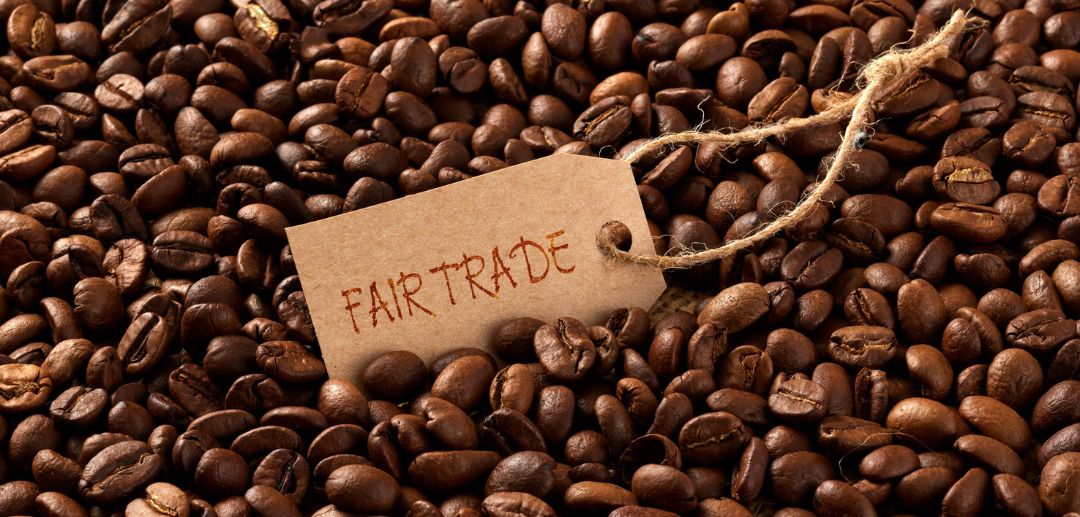
Fair Trade: Building a Sustainable Partnership for the Future of Indonesian Agribusiness
tetra2026-09-04T08:17:57+00:00

Fair Trade: Building a Sustainable Partnership for the Future of Indonesian Agribusiness

In the global economic landscape of 2026, the definition of business success has undergone a profound evolution. Profitability is no longer viewed as a solitary metric, detached from human elements and environmental preservation. Today’s global consumers—particularly in developed markets—are increasingly critical of the origins of the products they consume. In this context, the concept of fair trade emerges not merely as an ethical label, but as a strategic foundation for a resilient and sustainable supply chain.

PT. Tetra Jaya Plusindo (TJP) operates as a “strategic bridge,” aligning the idealism of equitable trade with the rigorous realities of global market demands. As a “guarantor” for investors and a “pathmaker” for producers, we believe that the implementation of fair trade is the key to unlocking prosperity for local farmers while providing absolute quality assurance for market owners.

Understanding the Essence of Fair Trade: Beyond the Price Tag

Intellectually defined, fair trade is a trading partnership based on dialogue, transparency, and respect, seeking greater equity in international trade. This principle pays particular attention to producers at the upstream level—farmers and ranchers—who are often the most vulnerable links in conventional supply chains.

The concept is supported by three primary pillars:

  1. Economic: Payment of a fair price that covers sustainable production costs and living wages.
  2. Social: Strict prohibition of child labor and forced labor, alongside guarantees for workplace safety and gender equality.
  3. Environmental: Implementation of eco-friendly farming practices and the prohibition of hazardous chemicals.

For PT. Tetra Jaya Plusindo, adopting these principles means strengthening the foundation of our entire system. When farmers are economically protected, the quality of the resulting products improves consistently.

Strategic Benefits for Local Producers: Toward Premium Pricing

To our partner producers—the farmers and ranchers who serve as the backbone of our food systems—fair trade offers an opportunity to escape the cycle of commodity price uncertainty. Through this system, local farmers can achieve two primary financial advantages:

1. Fair Trade Minimum Price

This acts as a safety net, ensuring farmers receive a price that covers their average production costs even when global market prices collapse. This provides the financial stability necessary for long-term planning and investment.

2. Fair Trade Premium

Above the purchase price, an additional sum of money is paid directly into a communal fund for farmers or their cooperatives. This is not “social aid”; it is social investment capital. Farmers democratically decide how to use these funds—whether to improve agricultural infrastructure, procure superior seeds, or build health and education facilities for their families.

PT. Tetra Jaya Plusindo serves as the “pathmaker” by assisting producers in meeting the certification standards required to be recognized internationally and qualify for these premium prices.


Data Analysis for Investors: Why Fair Trade is a Smart Investment

For market owners and investors, supporting a fair trade ecosystem through PT. Tetra Jaya Plusindo is not just a philanthropic gesture; it is a data-driven risk mitigation strategy. The following table illustrates why this model adds significant value to your portfolio:

ParameterConventional Supply ChainFair Trade Ecosystem (TJP)
Supply ResilienceLow (Farmers often switch crops if prices drop)High (Farmer loyalty is secured through price stability)
Product QualityVariable (Lack of incentive for quality upgrades)Guaranteed (Producers have capital for high standards)
ESG ScoreMinimalMaximum (Meets Social and Governance pillars)
Market AcceptanceLimited to low-price segmentsAccess to global premium market segments

Data from 2026 indicates that global consumers are willing to pay a 10–15% premium for products with a clear ethical footprint. By deploying capital into an ecosystem guaranteed by TJP, you are investing in long-term supply continuity and an invaluable brand reputation.


The Role of PT. Tetra Jaya Plusindo as a “Strategic Bridge”

Why is a bridge like TJP necessary? Because the transition to fair trade standards requires technical expertise, rigorous documentation, and expansive market access—resources that are often out of reach for local producers independently.

  • For Producers: We provide technical mentorship and education on quality standardization. We ensure that your hard work in the field receives the appropriate appreciation from buyers across the globe.
  • For Investors: We act as the “guarantor” of integrity. We conduct internal audits and routine monitoring to ensure that fair trade principles are strictly executed on the ground, ensuring your sustainability reports are backed by honest, robust data.

Maintaining Quality within the Spirit of Justice

A common misconception suggests that fair trade focuses solely on farmer welfare at the expense of quality. At PT. Tetra Jaya Plusindo, we debunk this myth. We believe that welfare and quality are two sides of the same coin.

Farmers who receive a fair price have the means to purchase high-quality organic fertilizers, utilize modern agricultural tools, and dedicate more time to precise harvest sorting. The result is a consistent Grade A product capable of meeting the stringent standards of markets in the European Union, North America, and East Asia.

Conclusion: Equity as an Engine for Growth

Fair trade is not about charity; it is about empowerment. It is a system that transforms transactions into relationships and exploitation into collaboration. Through this model, we are building a world where every cup of coffee, every bar of chocolate, or every grain of rice that reaches the consumer’s table is the fruit of labor that has been valued with dignity.

PT. Tetra Jaya Plusindo invites capital owners to join this ecosystem—an investment that yields not only financial dividends but social dividends as well. To our partner producers, let us continue to raise our standards, as the path to the global market stands wide open before us.

Together, let us prove that in Indonesia, equity and profitability can grow side-by-side in perfect harmony. Let’s consult with us, contact PT Tetra Jaya Plusindo now!
Share this post

Facebook LinkedIn Email WhatsApp

Related Posts

# **Bird’s Eye Chili: A Premier Commodity in Indonesia’s Supply Chain** In the landscape of Indonesian food commodities, a unique and recurring phenomenon has caught the serious attention of policymakers, market players, and households alike: the price dynamics of Bird’s Eye Chili. Consistently, the price of red Bird’s Eye Chili per kilogram often exceeds that of other basic staples, such as rice, sugar, or even poultry, during specific periods ### **Why Does This "Small" Commodity Command Such a High Price?** When compared head-to-head, the price of red Bird’s Eye Chili often reaches figures far above the average price of premium rice or shallots**Bird’s Eye Chili**. Several factors contribute to this high valuation: - **Significant Production Risks**: Unlike more resilient food crops, Bird’s Eye Chili is highly vulnerable to weather anomalies and pest infestations. A harvest failure in a single season can drastically slash national supply in a short time. - **Perishability**: Its short shelf life demands highly efficient logistical management. Every hour of delay in distribution results in a decline in quality and market value. - **Inelastic Demand**: In Indonesia, Bird’s Eye Chili is more than just a garnish; it is a cultural necessity. High demand, when not met with supply stability, creates extreme price volatility. ### **The Role of PT Tetra Jaya Plusindo: Bridging the Gap Between Upstream and Downstream** PT Tetra Jaya Plusindo understands that to keep Bird’s Eye Chili prices competitive for consumers while remaining profitable for farmers, a smarter and more transparent supply chain system is required As a pathfinder for producers—especially chili farmers across various regions—we are committed to ensuring their products are fairly valued and meet quality standards capable of penetrating wider markets. 1. **Standardization and Quality Control**: We assist farmers in implementing strict Quality Control protocols from planting to post-harvest. Maintaining quality ensures the produced Bird’s Eye Chili has higher competitiveness among large retailers and the food processing industry. This minimizes harvest waste caused by products failing to meet market specifications. 2. **Logistical and Supply Chain Efficiency**: PT Tetra Jaya Plusindo acts as an integrator that eliminates supply chain inefficiencies. Through shorter and more organized distribution channels, we ensure product freshness is maintained while logistical costs are reduced. ### **Investor Perspective: Ensuring "On Track" Investments** For investors and landowners, food commodities like Bird’s Eye Chili offer stable growth prospects alongside increasing population and consumption. However, investing in this sector requires an entity that understands field-level risk mitigation. We believe secure investments are those that provide a real impact on food security and producer welfare. By utilizing accurate market data and extensive networks, we help business partners make decisions based on in-depth analysis rather than mere price speculation. By making Bird’s Eye Chili a focus commodity, we aim to help society thrive together, creating efficiency while preserving natural resources for future generations. Let us build a supply chain that is not only financially profitable but also socially impactful. Whether you own idle land or wish to enter agribusiness without owning land, [consult with us today.](http://wa.me/6281517748865)

Bird’s Eye Chili: A Premier Commodity in Indonesia’s Supply Chain

Bird’s Eye Chili: A Premier Commodity in Indonesia’s Supply Chain In the landscape of Indonesian food commodities, a unique and... read more

Navigating the Food Business Chain: Understanding the Strategic Roles of Farmers, Producers, and Distributors

Navigating the Food Business Chain: Understanding the Strategic Roles of Farmers, Producers, and Distributors

Navigating the Food Business Chain: Understanding the Strategic Roles of Farmers, Producers, and Distributors In today’s global economic discourse, food... read more

What is ESG and Why is it Critical for Agribusiness? Toward a Global Ecosystem of Integrity

What is ESG and Why is it Critical for Agribusiness? Toward a Global Ecosystem of Integrity

What is ESG and Why is it Critical for Agribusiness? Toward a Global Ecosystem of Integrity As of 2026, the... read more

The Urgency of Quality Control and Standardization in Indonesian Agriculture

The Urgency of Quality Control and Standardization in Indonesian Agriculture

The Urgency of Quality Control and Standardization in Indonesian Agriculture In today’s global economic landscape, the agribusiness sector is no... read more

Indonesian Agribusiness Opportunities: Synergizing Secure Investment and Sustainable Agriculture with PT. Tetra Jaya Plusindo

Indonesian Agribusiness Opportunities: Synergizing Secure Investment and Sustainable Agriculture with PT. Tetra Jaya Plusindo

Indonesian Agribusiness Opportunities: Synergizing Secure Investment and Sustainable Agriculture with PT. Tetra Jaya Plusindo Indonesia, with its vast biodiversity and... read more

What is the Agricultural Supply Chain and Why Does it Matter? Decoding the Architecture of Food Security with PT. Tetra Jaya Plusindo

What is the Agricultural Supply Chain and Why Does it Matter? Decoding the Architecture of Food Security with PT. Tetra Jaya Plusindo

What is the Agricultural Supply Chain and Why Does it Matter? Decoding the Architecture of Food Security with PT.... read more

Why Business Partnerships Outperform Competition: Building a Resilient Food Security Ecosystem with PT. Tetra Jaya Plusindo

Why Business Partnerships Outperform Competition: Building a Resilient Food Security Ecosystem with PT. Tetra Jaya Plusindo

Why Business Partnerships Outperform Competition: Building a Resilient Food Security Ecosystem with PT. Tetra Jaya Plusindo For centuries, the business... read more

Strategic Analysis: The Vitality of Daily Fruit and Vegetable Consumption in Global Health and Markets

Strategic Analysis: The Vitality of Daily Fruit and Vegetable Consumption in Global Health and Markets The consumption of fruits and... read more

Establishing the Gold Standard of Food: Understanding GMP (Good Manufacturing Practice) and Its Urgency in the Agribusiness Ecosystem

Establishing the Gold Standard of Food: Understanding GMP (Good Manufacturing Practice) and Its Urgency in the Agribusiness Ecosystem

Establishing the Gold Standard of Food: Understanding GMP (Good Manufacturing Practice) and Its Urgency in the Agribusiness Ecosystem In the... read more

What is Business Bridging and Why is it Crucial for MSMEs? Transforming Supply Chains with PT. Tetra Jaya Plusindo

What is Business Bridging and Why is it Crucial for MSMEs? Transforming Supply Chains with PT. Tetra Jaya Plusindo

What is Business Bridging and Why is it Crucial for MSMEs? Transforming Supply Chains with PT. Tetra Jaya Plusindo In... read more

Tags

agrobusiness fruit oystermushroom plant vegetable
Facebook Youtube Instagram Linkedin Tiktok
© copyright 2022. Tetra Jaya Plusindo