Tetra Jaya Plusindo
  • Home
  • Who We Are
  • Our Business
  • Products
  • Cooperate With Us
  • Our Team
  • News
  • Contact Us
  • enEnglish
    • idBahasa Indonesia
  • Home
  • Who We Are
  • Our Business
  • Products
  • Cooperate With Us
  • Our Team
  • News
  • Contact Us
  • enEnglish
    • idBahasa Indonesia
Animal Protein Sources in Broiler Chicken: Strategic Insights into Nutritional Value and Health Benefits
tetra2026-05-04T17:52:17+00:00

Animal Protein Sources in Broiler Chicken: Strategic Insights into Nutritional Value and Health Benefits

Animal protein derived from broiler chickens serves as a critical nutritional component, providing significant positive impacts on the human body. Beyond weight management, these proteins are essential for bone fortification and enhancing the human immune system. However, to maximize these benefits, it is vital for stakeholders and consumers alike to prioritize balanced consumption patterns and proper processing techniques to maintain the integrity of these nutrients.
Comparative Analysis of Protein Content by Cut
For market owners and investors, data-driven insights into the nutritional variations across different broiler cuts are essential for aligning with evolving consumer health trends. While all cuts are high-protein sources, their specific profiles vary:

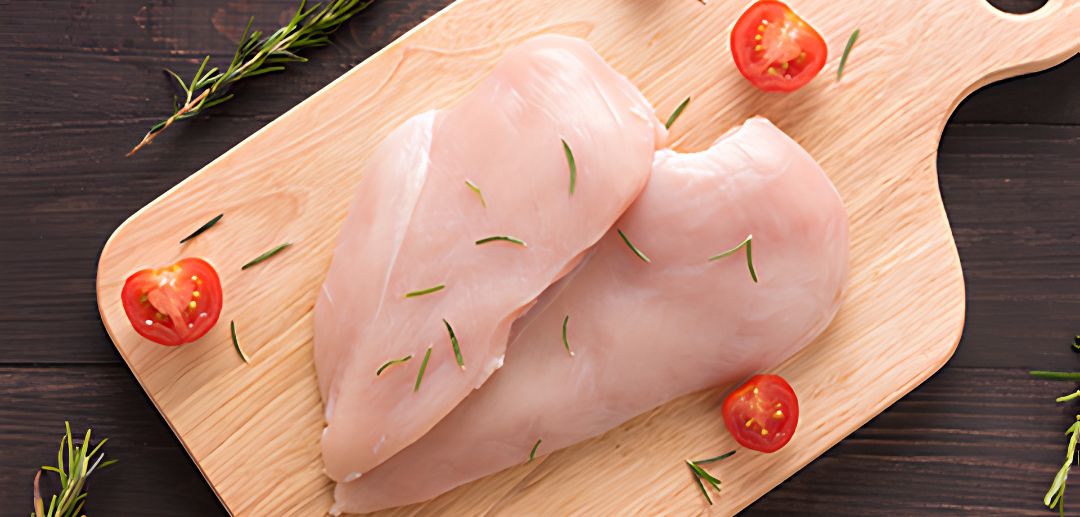
  • Broiler Breast: This cut provides the highest concentration of animal protein. Specifically, a 100-gram serving of skinless breast contains 31 grams of protein. With only 165 calories—80% of which are derived from protein—it offers a balanced profile popular among those seeking weight loss and muscle mass development.
  • Upper Thigh: This cut contains the lowest protein density relative to other parts. A 100-gram serving of skinless, boneless thigh meat provides 26 grams of protein and 209 calories, with 53% of calories originating from protein and the remainder from fat.
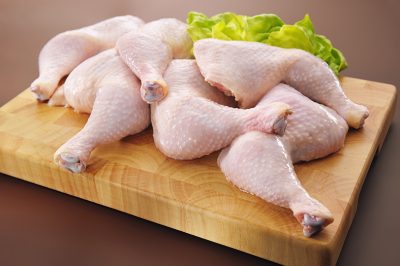
  • Lower Thigh (Drumstick): This portion contains approximately 28 grams of protein per 100 grams. It is leaner than the upper thigh, containing roughly 172 calories, with 70% of those calories coming from protein.
  • Chicken Wings: The protein content in wings is surprisingly high, comparable to the breast. Per 100 grams of skinless, boneless meat, wings provide 30 grams of protein and 203 calories (64% from protein, 36% from fat).

Strategic Health Benefits of Broiler Protein
Protein is a vital nutrient for the production of enzymes and hormones required to maintain cellular and organ function. Strategic consumption of broiler meat supports long-term health and disease prevention:

  1. Effective Weight Management: Broiler protein facilitates effective weight loss by increasing satiety-regulating hormones and reducing hunger-triggering hormones. Additionally, protein has a high thermal effect (20% to 30%), which burns significant calories during the metabolic process. The chicken breast is particularly effective for these dietary goals.
  2. Immune System Optimization: Animal protein is a building block for immunoglobulins, or antibodies, which defend the body against bacterial and viral infections. This makes chicken meat an ideal food during illness to accelerate recovery and strengthen natural defenses.
  3. Enhanced Bone Strength: Protein plays a critical role in building and repairing bone tissue. Regular consumption increases bone density, resulting in a stronger and healthier skeletal system.

Best Practices in Culinary Processing
To ensure that consumers receive the full spectrum of benefits, proper processing is paramount. High-quality processing preserves nutrients while ensuring the elimination of harmful bacteria.
For producers and consumers focused on weight loss, frying is discouraged as it significantly increases fat consumption. Instead, healthier alternatives such as sautéing, steaming, roasting, or grilling are recommended to maintain a balanced and healthy nutritional profile.

Share this post

Facebook LinkedIn Email WhatsApp

Related Posts

Strategic Analysis: The Vitality of Daily Fruit and Vegetable Consumption in Global Health and Markets

Strategic Analysis: The Vitality of Daily Fruit and Vegetable Consumption in Global Health and Markets The consumption of fruits and... read more

10 Promising Agribusiness Opportunities Amid the Pandemic

10 Promising Agribusiness Opportunities Amid the Pandemic Have you ever considered venturing into the world of agribusiness? Given the current... read more

# **Bird’s Eye Chili: A Premier Commodity in Indonesia’s Supply Chain** In the landscape of Indonesian food commodities, a unique and recurring phenomenon has caught the serious attention of policymakers, market players, and households alike: the price dynamics of Bird’s Eye Chili. Consistently, the price of red Bird’s Eye Chili per kilogram often exceeds that of other basic staples, such as rice, sugar, or even poultry, during specific periods ### **Why Does This "Small" Commodity Command Such a High Price?** When compared head-to-head, the price of red Bird’s Eye Chili often reaches figures far above the average price of premium rice or shallots**Bird’s Eye Chili**. Several factors contribute to this high valuation: - **Significant Production Risks**: Unlike more resilient food crops, Bird’s Eye Chili is highly vulnerable to weather anomalies and pest infestations. A harvest failure in a single season can drastically slash national supply in a short time. - **Perishability**: Its short shelf life demands highly efficient logistical management. Every hour of delay in distribution results in a decline in quality and market value. - **Inelastic Demand**: In Indonesia, Bird’s Eye Chili is more than just a garnish; it is a cultural necessity. High demand, when not met with supply stability, creates extreme price volatility. ### **The Role of PT Tetra Jaya Plusindo: Bridging the Gap Between Upstream and Downstream** PT Tetra Jaya Plusindo understands that to keep Bird’s Eye Chili prices competitive for consumers while remaining profitable for farmers, a smarter and more transparent supply chain system is required As a pathfinder for producers—especially chili farmers across various regions—we are committed to ensuring their products are fairly valued and meet quality standards capable of penetrating wider markets. 1. **Standardization and Quality Control**: We assist farmers in implementing strict Quality Control protocols from planting to post-harvest. Maintaining quality ensures the produced Bird’s Eye Chili has higher competitiveness among large retailers and the food processing industry. This minimizes harvest waste caused by products failing to meet market specifications. 2. **Logistical and Supply Chain Efficiency**: PT Tetra Jaya Plusindo acts as an integrator that eliminates supply chain inefficiencies. Through shorter and more organized distribution channels, we ensure product freshness is maintained while logistical costs are reduced. ### **Investor Perspective: Ensuring "On Track" Investments** For investors and landowners, food commodities like Bird’s Eye Chili offer stable growth prospects alongside increasing population and consumption. However, investing in this sector requires an entity that understands field-level risk mitigation. We believe secure investments are those that provide a real impact on food security and producer welfare. By utilizing accurate market data and extensive networks, we help business partners make decisions based on in-depth analysis rather than mere price speculation. By making Bird’s Eye Chili a focus commodity, we aim to help society thrive together, creating efficiency while preserving natural resources for future generations. Let us build a supply chain that is not only financially profitable but also socially impactful. Whether you own idle land or wish to enter agribusiness without owning land, [consult with us today.](http://wa.me/6281517748865)

Bird’s Eye Chili: A Premier Commodity in Indonesia’s Supply Chain

Bird’s Eye Chili: A Premier Commodity in Indonesia’s Supply Chain In the landscape of Indonesian food commodities, a unique and... read more

Tags

agrobusiness fruit oystermushroom plant vegetable
Facebook Youtube Instagram Linkedin Tiktok
© copyright 2022. Tetra Jaya Plusindo