Tetra Jaya Plusindo
  • Home
  • Who We Are
  • Our Business
  • Products
  • Cooperate With Us
  • Our Team
  • News
  • Contact Us
  • enEnglish
    • idBahasa Indonesia
  • Home
  • Who We Are
  • Our Business
  • Products
  • Cooperate With Us
  • Our Team
  • News
  • Contact Us
  • enEnglish
    • idBahasa Indonesia
tetra2026-05-05T17:40:04+00:00

Strategic Analysis: The Vitality of Daily Fruit and Vegetable Consumption in Global Health and Markets

The consumption of fruits and vegetables is a foundational pillar of modern nutritional science, strongly recommended for daily dietary integration. While market trends show varying levels of consumer engagement, the strategic importance of these commodities remains undeniable due to their profound impact on public health and long-term wellness.

The Global Health Dividend: Why Daily Intake Matters

Extensive empirical research confirms that the consistent daily consumption of these crops offers substantial advantages to human health. For investors and market owners, understanding these benefits is key to aligning supply chains with the increasing global demand for “functional foods.”

  • The “5 a Day” StandardThe “5 a Day” Standard: The World Health Organization (WHO) has long championed the “5 a Day” initiative, advocating for a minimum of five portions of vegetables and fruit daily.
  • Nutrient DensityNutrient Density: These products are primary sources of essential vitamins and minerals that serve as the biological fuel for the human body.
  • Clinical OutcomesClinical Outcomes: Consistent intake facilitates the reduction of blood pressure and the maintenance of optimal gut health.
  • Prophylactic ValueProphylactic Value: These commodities prevent constipation, streamline the digestive system, and assist in maintaining an ideal body weight, thereby preventing obesity.
  • Chronic Disease MitigationChronic Disease Mitigation: Data-driven health strategies emphasize that these foods protect against diabetes and significantly reduce the risks of heart disease, stroke, and various oncological conditions.

Market Categorization: High-Value Fruit Commodities

Fruits represent succulent, nutrient-rich plant cultivars characterized by a diverse spectrum of flavors and health-promoting properties. Typically containing seeds, these can be consumed in both raw and processed formats, offering producers a versatile range of market entries.

Category Specific Commodities
Pomes Apples and pears
Citrus Groups Oranges, grapefruits, mandarins, and limes
Tropical & Exotic Bananas and mangoes
Berries Strawberries, raspberries, and blueberries
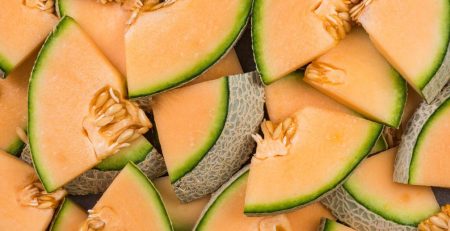
Melons Watermelons and honeydew melons
Nutrient-Dense Specialties Tomatoes and avocados

Strategic Crop Classification: Vegetable Diversity

Similar to fruit sectors, vegetables offer a wide array of biological variations, often categorized by their botanical families. For producers, specializing in these groups allows for better soil management and targeted market positioning:

  • Leafy GreensLeafy Greens: Nutrient-dense staples such as lettuce, spinach, and kale.
  • CruciferousCruciferous: High-demand crops including cabbage, cauliflower, and broccoli.
  • MarrowsMarrows: Versatile produce like pumpkin, cucumber, and zucchini.
  • Root CropsRoot Crops: Essential staples including sweet potatoes and yams.
  • Edible StemsEdible Stems: Specialty market items such as celery and asparagus.
  • AlliumsAlliums: Foundation ingredients for global cuisine, specifically onions and garlic.

Conclusion

For producers, the cultivation of these diverse fruits and vegetables is an opportunity to serve a market that is increasingly prioritizing health as a lifestyle. For investors, the stability provided by WHO-backed consumption standards ensures that these crops remain a resilient and intellectual investment in the global food supply chain.

Source: HalosehatSource: Halosehat

Sumber : halosehat
Share this post

Facebook LinkedIn Email WhatsApp

Related Posts

10 Promising Agribusiness Opportunities Amid the Pandemic

10 Promising Agribusiness Opportunities Amid the Pandemic Have you ever considered venturing into the world of agribusiness? Given the current... read more

Animal Protein Sources in Broiler Chicken: Strategic Insights into Nutritional Value and Health Benefits

Animal Protein Sources in Broiler Chicken: Strategic Insights into Nutritional Value and Health Benefits

Animal Protein Sources in Broiler Chicken: Strategic Insights into Nutritional Value and Health Benefits Animal protein derived from broiler chickens... read more

# **Bird’s Eye Chili: A Premier Commodity in Indonesia’s Supply Chain** In the landscape of Indonesian food commodities, a unique and recurring phenomenon has caught the serious attention of policymakers, market players, and households alike: the price dynamics of Bird’s Eye Chili. Consistently, the price of red Bird’s Eye Chili per kilogram often exceeds that of other basic staples, such as rice, sugar, or even poultry, during specific periods ### **Why Does This "Small" Commodity Command Such a High Price?** When compared head-to-head, the price of red Bird’s Eye Chili often reaches figures far above the average price of premium rice or shallots**Bird’s Eye Chili**. Several factors contribute to this high valuation: - **Significant Production Risks**: Unlike more resilient food crops, Bird’s Eye Chili is highly vulnerable to weather anomalies and pest infestations. A harvest failure in a single season can drastically slash national supply in a short time. - **Perishability**: Its short shelf life demands highly efficient logistical management. Every hour of delay in distribution results in a decline in quality and market value. - **Inelastic Demand**: In Indonesia, Bird’s Eye Chili is more than just a garnish; it is a cultural necessity. High demand, when not met with supply stability, creates extreme price volatility. ### **The Role of PT Tetra Jaya Plusindo: Bridging the Gap Between Upstream and Downstream** PT Tetra Jaya Plusindo understands that to keep Bird’s Eye Chili prices competitive for consumers while remaining profitable for farmers, a smarter and more transparent supply chain system is required As a pathfinder for producers—especially chili farmers across various regions—we are committed to ensuring their products are fairly valued and meet quality standards capable of penetrating wider markets. 1. **Standardization and Quality Control**: We assist farmers in implementing strict Quality Control protocols from planting to post-harvest. Maintaining quality ensures the produced Bird’s Eye Chili has higher competitiveness among large retailers and the food processing industry. This minimizes harvest waste caused by products failing to meet market specifications. 2. **Logistical and Supply Chain Efficiency**: PT Tetra Jaya Plusindo acts as an integrator that eliminates supply chain inefficiencies. Through shorter and more organized distribution channels, we ensure product freshness is maintained while logistical costs are reduced. ### **Investor Perspective: Ensuring "On Track" Investments** For investors and landowners, food commodities like Bird’s Eye Chili offer stable growth prospects alongside increasing population and consumption. However, investing in this sector requires an entity that understands field-level risk mitigation. We believe secure investments are those that provide a real impact on food security and producer welfare. By utilizing accurate market data and extensive networks, we help business partners make decisions based on in-depth analysis rather than mere price speculation. By making Bird’s Eye Chili a focus commodity, we aim to help society thrive together, creating efficiency while preserving natural resources for future generations. Let us build a supply chain that is not only financially profitable but also socially impactful. Whether you own idle land or wish to enter agribusiness without owning land, [consult with us today.](http://wa.me/6281517748865)

Bird’s Eye Chili: A Premier Commodity in Indonesia’s Supply Chain

Bird’s Eye Chili: A Premier Commodity in Indonesia’s Supply Chain In the landscape of Indonesian food commodities, a unique and... read more

Tags

agrobusiness fruit oystermushroom plant vegetable
Facebook Youtube Instagram Linkedin Tiktok
© copyright 2022. Tetra Jaya Plusindo